Understanding the different systems for a commercial roofer to install is crucial before making a replacement decision. This article will guide you through the key roofing systems, their benefits, drawbacks, and when they are most appropriate for roofing needs.
1. What is the most cost-effective commercial roofing system?
When evaluating cost-effectiveness, initial costs versus long-term value are essential factors to consider. Commercial roofing options like Built-Up Roofing (BUR) and Modified Bitumen often provide long-term savings despite higher initial investments.
Cost-effectiveness also depends heavily on installation and maintenance practices, which can vary significantly between systems. Efficient installation techniques and regular maintenance can mitigate costs associated with premature wear and tear.
The choice of roofing materials greatly influences overall expenses, with options such as EPDM and TPO offering lower installation costs compared to more extensive systems. Selecting the right materials aligned with your budget ensures future financial stability.
Implementing cost-saving strategies, such as energy-efficient installations, can further enhance the economic viability of commercial roofs. Businesses should consider technologies that reduce energy consumption to maximize cost-effectiveness.
2. How does climate impact the choice of a commercial roofing system?
Climate plays a critical role in determining the ideal commercial roofing system due to varying temperature extremes between geographic locations. EPDM roofing is particularly favored in areas with wide temperature fluctuations due to its thermal resilience.
The potential damage caused by prolonged sunlight exposure makes UV-resistant coatings and materials crucial components of any roofing system. Reflective coatings help mitigate heat absorption, maintaining more consistent internal building temperatures.
In regions prone to severe weather, wind and storm preparedness become significant considerations. Reinforced membrane systems offer superior protection against high winds and debris impact, extending the roof’s durability.
The presence of high humidity or frequent rainfall necessitates moisture-resistant roofing solutions like metal roofs or liquid-applied waterproof coatings. Addressing moisture aggravation helps prevent mold growth and structural damage.
3. What are the lifespan expectations for different commercial roof systems?
Lifespan expectations for commercial roofing depend largely on material choice, with asphalt-based systems typically lasting between 15-30 years. In contrast, metal roofing systems can extend well beyond 50 years with appropriate maintenance.
Key factors influencing roof longevity include environmental exposure and proactive maintenance interventions. Identifying and addressing potential issues early can significantly prolong effective service life.
Regular inspections and maintenance extend a roof’s lifespan by mitigating minor damages before they evolve. Practices like gutter cleaning and debris removal can substantially increase the roof’s life expectancy.
Routine monitoring for signs of wear, such as seam separation or membrane blisters, aids in timely repairs. Evaluating the consistency of these signs allows for better forecasting of replacement needs.
4. How do energy-efficiency features vary among commercial roofing systems?
Commercial roofs with energy-efficient designs can greatly reduce heating and cooling costs, proving to be economic and environmentally beneficial. Cool roofing materials effectively reflect solar energy, decreasing energy consumption.
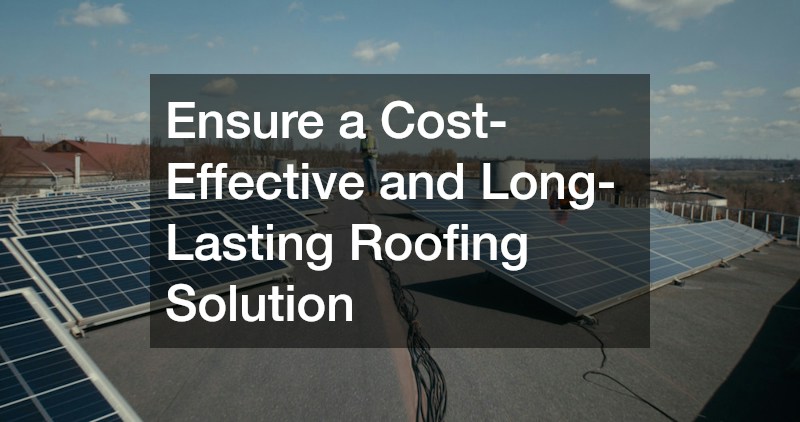
Technologies like photovoltaic systems can convert rooftops into energy-producing assets, significantly optimizing operational efficiency. Investing in such innovations contributes to lower dependency on non-renewable energy sources.
Incorporating high-performance insulation materials further enhances energy management within buildings. Increased insulation efficiency directly correlates with reduced thermal transfer and improved overall building comfort.
Adhering to recognized certifications such as Energy Star ratings benchmarks energy-efficient roofing standards. These certifications help consumers identify systems that contribute to sustainable living and operational cost reduction.
5. What are the latest innovations and trends in commercial roofing?
Modern innovations in roofing materials continue to push the boundaries of cost, durability, and sustainability. Lightweight polymer panels offer enhanced flexibility and strength, catering to contemporary architectural demands.
Advancements in roofing installation techniques streamline the application process, reducing downtime and labor costs. Prefabricated sections and adhesives have replaced traditional methods, offering faster and cleaner installations.
Sustainable and eco-friendly trends, such as green roofs and solar-integrated roofs, drive the market towards environmentally responsible solutions. These systems not only benefit the ecosystem but also serve as attractive marketing points for businesses.
The integration of smart technology in roofing systems, including weather adaptive features and self-healing membranes, represents the frontier of roofing innovation. Such technologies promise enhanced longevity and user interaction.
Making an informed decision about commercial roofing involves examining various systems, understanding their benefits, and how they align with your specific needs. Consider these aspects to ensure a cost-effective and long-lasting roofing solution for your commercial property.